
Large Image With Sidebar - Honey Bee Haven
1868
paged,wp-singular,page-template,page-template-blog-large-image,page-template-blog-large-image-php,page,page-id-1868,page-child,parent-pageid-1815,paged-2,page-paged-2,wp-theme-bridge,bridge-core-3.1.2,qi-blocks-1.5.4,qodef-gutenberg--no-touch,qodef-qi--no-touch,qi-addons-for-elementor-1.11.2,qode-page-transition-enabled,ajax_fade,page_not_loaded,,qode-theme-ver-30.9.1,qode-theme-bridge,qode_header_in_grid,wpb-js-composer js-comp-ver-9.0.1,vc_responsive,elementor-default,elementor-kit-15593

Large Image With Sidebar

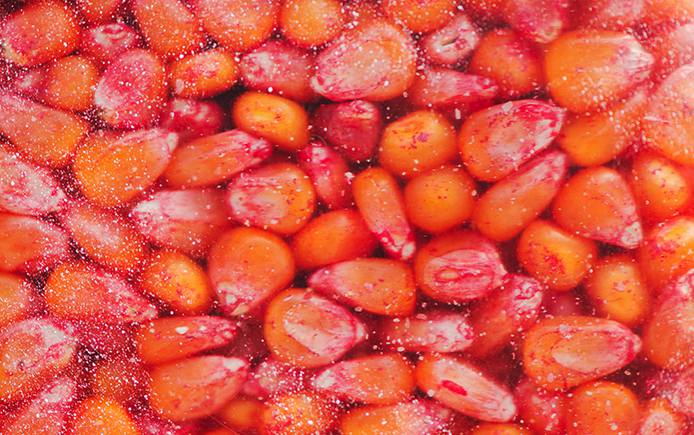
Earlier this week, we announced that, with our partners at Center for Food Safety, we’re suing the Environmental Protection Agency (EPA) for failing to regulate insecticide-coated seeds, otherwise known as treated seeds....
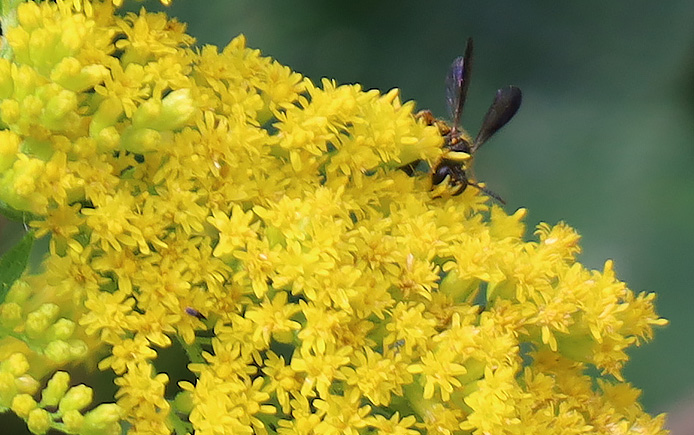
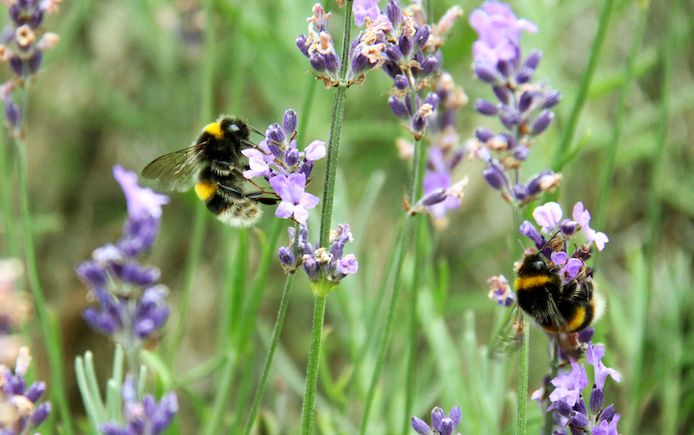
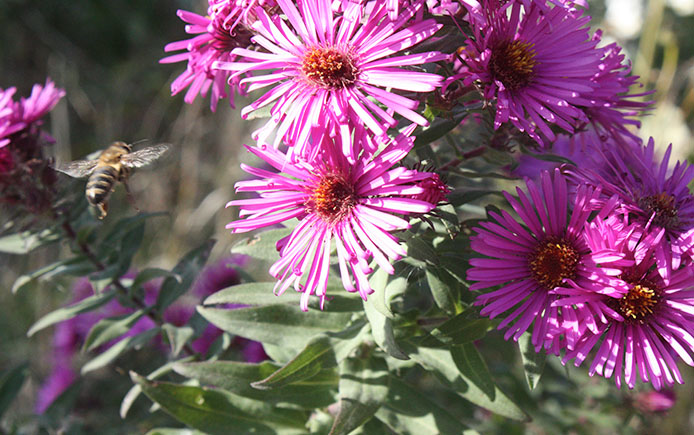
Wasps are unsung beneficial insects. Some wasp species are able pollen vectors, and many play a crucial role as specialist pollinators. Some may be classified as excellent pollinators and in certain systems are much more efficient at pollination than their fuzzy-haired bee cousins....

Over the last two decades, neonicotinoid pesticides, or neonics, have swiftly become the most widely used class of insecticides globally. And you’ve heard from PAN and our partners countless times about the dangers these chemicals pose to the wild pollinators and honeybees our food system...

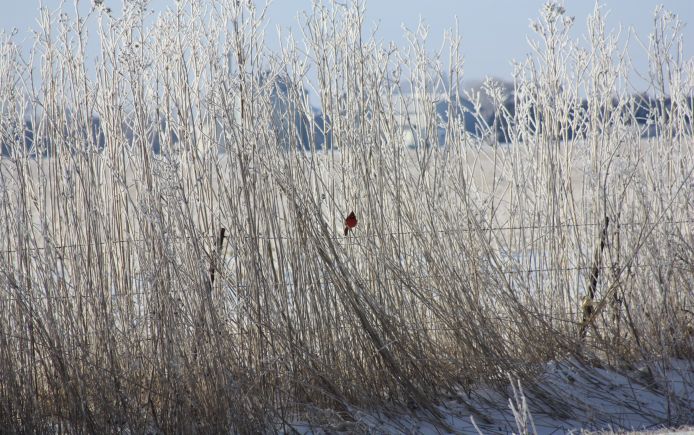
On farms, when did it become imperative that we put every scrap of land into service for personal gain?  Why is it so difficult to leave even these small parcels of habitat available to wildlife?...

Early this year, the Guardian reported that residents of Mead, Nebraska — a tiny town of 600 near Omaha — were getting sick, and also noticing livestock and bee fatalities. The cause? All signs point to AltEn, a neighboring ethanol plant found to be processing...