
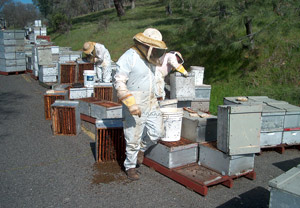
Yet MORE evidence that pesticides are key culprit in bee die-offs
Scientific evidence continues to mount strengthening the case that neonicotinoid pesticides are indeed key drivers behind colony collapse disorder (CCD). Three new studies...
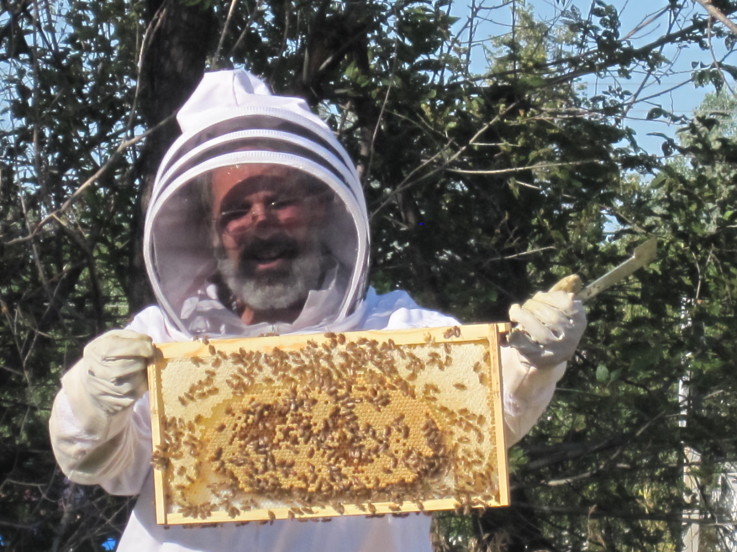
Beekeepers frequently refer to their bees as their “girls” because all the worker bees are female. Hobby beekeepers, like myself, find it convenient...
Today, PAN joined beekeepers and partners Beyond Pesticides and Center for Food Safety in filing a legal petition that calls on EPA to...
The impact of pesticides on declining bee health will be a central theme of Healthy Communities: Green solutions for safe environments, the 30th...
A study by researchers at the University of Padova in Italy and published in the journal Environmental Science and Technology has confirmed the...
The online journal PLoS One released two bee studies last week: one on an old parasite newly found in honey bees, the other...
With little fanfare, pesticide manufacturer Bayer has asked California regulators to limit the use of one of their most profitable products, imidacloprid.Rather than...
New science confirms that honey bees are at great risk when simultaneously exposed to parasites and pesticides.Two pesticides of concern, fipronil and thiacloprid...
Help start a national conversation on pesticides and bees by spreading the word about this hard-hitting, in-depth investigative report.Dan Rather's investigative reporting team...