
Small Image With Sidebar - Honey Bee Haven
9897
paged,wp-singular,page-template,page-template-blog-small-image,page-template-blog-small-image-php,page,page-id-9897,page-child,parent-pageid-1815,paged-15,page-paged-15,wp-theme-bridge,bridge-core-3.1.2,qi-blocks-1.4.7,qodef-gutenberg--no-touch,qodef-qi--no-touch,qi-addons-for-elementor-1.9.5,qode-page-transition-enabled,ajax_fade,page_not_loaded,,qode-theme-ver-30.1,qode-theme-bridge,qode_header_in_grid,wpb-js-composer js-comp-ver-8.7.2,vc_responsive,elementor-default,elementor-kit-15593

Small Image With Sidebar

This week PAN released Honey Bees and Pesticides: State of the Science, a 22-page report on the factors behind colony collapse disorder (CCD) with a sustained focus on the particular role of pesticides. By collecting and presenting the findings of dozens of peer-reviewed scientific studies — including a series of damning studies published in the last year — we hope to provide...

No farmer in his or her right mind wants to poison pollinators. When I spoke with one Iowa corn farmer in January and told him about the upcoming release of a Purdue study confirming corn as a major neonicotinoid exposure route for bees, his face dropped with worn exasperation. He looked down for a moment, sighed and said, “You know,...

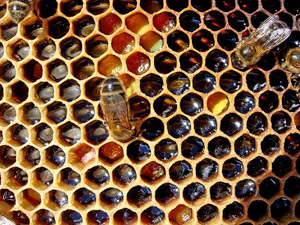
I am a third generation backyard gardener. It was in my father’s and my grandmother’s gardens that I learned to love many insects, most especially bees. Bees, my grandma said, were our partners in the garden. Without bees, the big apple tree outside her back door could bear no fruit. Without them, there would be no harvest of the vegetables...

The evidence is mounting linking neonicotinoid pesticides and Colony Collapse Disorder. Join the public conversation and help build momentum to protect bees.Decisionmakers read the letters pages of newspapers to take a pulse on public opinion. For this reason, letters to the editor are particularly powerful ways to influence the conversation about important, emerging issues. Send a letter to papers in...

Scientific evidence continues to mount strengthening the case that neonicotinoid pesticides are indeed key drivers behind colony collapse disorder (CCD). Three new studies out in the past two weeks, including one today, add to the growing body of evidence that implicate pesticides as a critical catalyst behind drastic declines in bee population. With beekeepers continuing to lose more than one-third of...

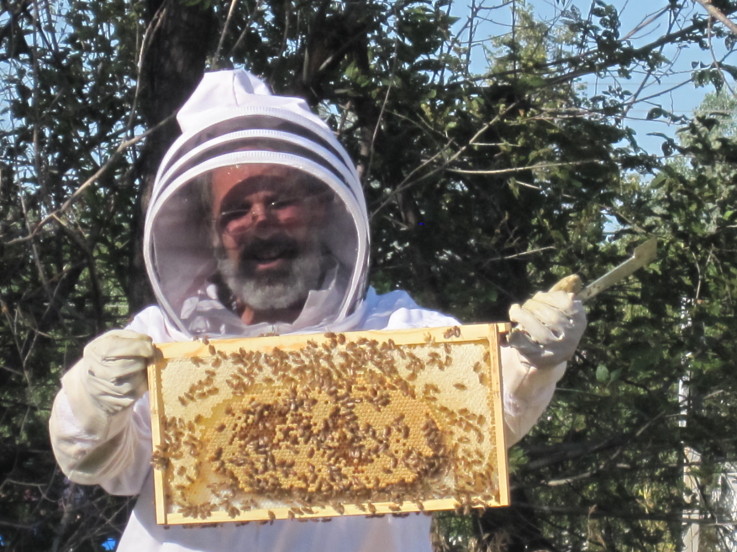
Beekeepers frequently refer to their bees as their “girls” because all the worker bees are female. Hobby beekeepers, like myself, find it convenient to give them another name identifying a particular hive. I use the street or town from which I got the bees. My Van Gordon girls were my best colony in 2011. They produced about 90 pounds of...