Posted at 18:19h
in
Uncategorized
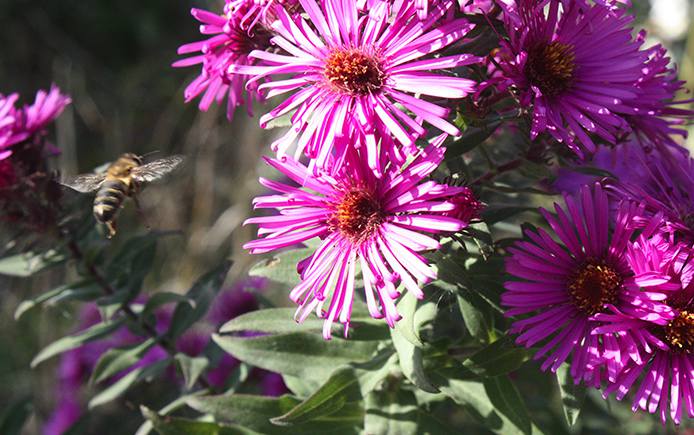
Pollinator Week happens once each year and I always hope to write one or two articles for PAN to get the word out that we can and must support our pollinators. But, as a steward of a small-scale, diversified farm, I can’t afford to think...
Posted at 18:15h
in
Uncategorized
The 2023 legislative session was a whirlwind for many of our state coalitions, with hard-fought wins, close losses, and unexpected compromises made behind closed doors. It’s clear that we have a lot to celebrate — and a lot more momentum to build. ...
Posted at 18:14h
in
Uncategorized
When I first entered the world of growing professionally, it was tempting to assume that any new insect was intent on destroying my crops. The acts of placing seeds in the ground and nurturing plants for food are not effortless, nor is the process worry-free...
Posted at 17:47h
in
Uncategorized
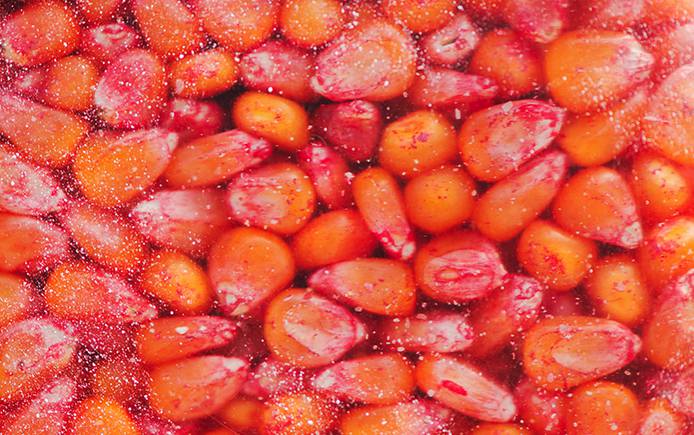
Earlier this week, we announced that, with our partners at Center for Food Safety, we’re suing the Environmental Protection Agency (EPA) for failing to regulate insecticide-coated seeds....
Posted at 20:11h
in
Uncategorized
Some Northern Paper Wasps built a nest in the open metal pipe that is part of the door entry to one of our high tunnels. For the most part, I was able to enter and depart the high tunnel without an issue, and I was...
Posted at 17:04h
in
Uncategorized
Over the last two decades, neonicotinoid pesticides, or neonics, have swiftly become the most widely used class of insecticides globally. And you’ve heard from PAN and our partners countless times about the dangers these chemicals pose to the wild pollinators and honeybees our food system...
Posted at 21:36h
in
Uncategorized
I have been watching, on and off throughout the last few weeks, as one of our neighbors methodically removes all of the bushes and small trees that populate a fence line between their field and another neighbor’s field. One side of the fence has been...
Posted at 19:55h
in
Uncategorized
People have a tendency to think about bees and pollinators in the spring and summer - points in time when there is often an abundance of food choices for our pollinators. But now, as we enter the tail-end of the growing season, our attention is...
Posted at 17:55h
in
Uncategorized
Early this year, the Guardian reported that residents of Mead, Nebraska — a tiny town of 600 near Omaha — were getting sick, and also noticing livestock and bee fatalities. The cause? All signs point to AltEn, a neighboring ethanol plant found to be processing...
Posted at 22:42h
in
Uncategorized
About the author: Rob Faux is PAN’s Communications Associate for Iowa, joining the organization in 2020. He has owned and operated the Genuine Faux Farm near Tripoli, Iowa with his spouse, Tammy, since 2004, growing produce and raising poultry for local sales. They are committed...